Strained Supply Chains Drive US Inflation to 3.8 Percent as Hormuz Impasse Endures
Deepening geopolitical instability in the Middle East forces a recalibration of Federal Reserve expectations as energy and chemical costs surge.
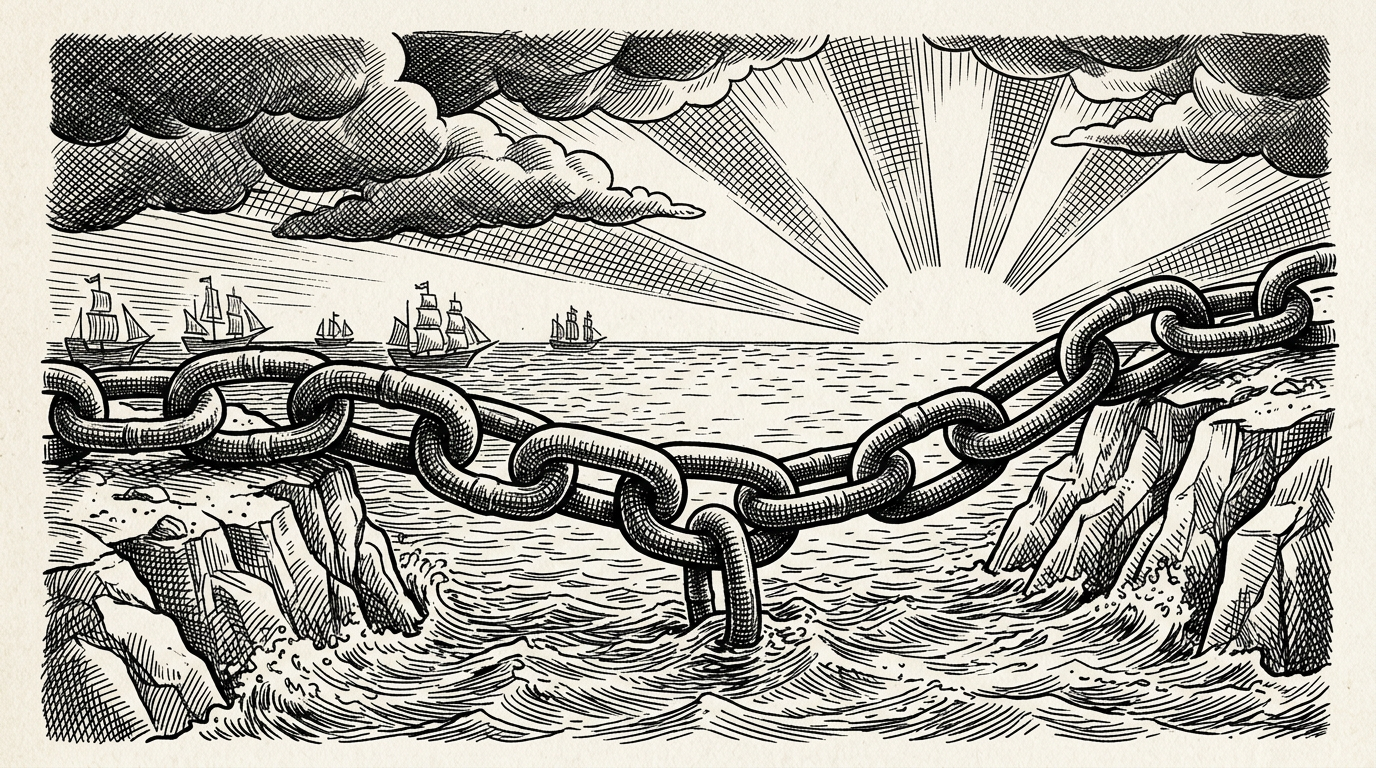
The United States consumer price index accelerated to a 3.8 percent year-over-year increase in April, marking the hottest inflationary pace in two years and dealing a significant blow to hopes for a near-term pivot in monetary policy. This surge, nearly double the Federal Reserve's long-standing 2 percent target, coincides with the fourth consecutive month of the closure of the Strait of Hormuz, a critical maritime artery for global energy and chemical trade. The confluence of supply-side shocks and resilient domestic demand has created a complex inflationary environment that the central bank appears increasingly unable to mitigate through traditional interest rate levers alone.
At stake is the stability of a precarious post-pandemic recovery that is now being tested by the structural realities of restricted global trade. The persistent closure of the Hormuz transit route has fundamentally altered the cost structure for downstream industries, particularly in the chemical and manufacturing sectors, which are seeing primary input costs rise at rates not observed since the initial energy shocks of 2022. As these costs filter through the industrial supply chain and into final consumer prices, the Federal Reserve faces the prospect of 'sticky' inflation that defies previous models of cooling demand. Markets are now recalibrating their expectations for the remainder of the fiscal year, with many analysts moving the goalposts for rate cuts into late 2025 or beyond.
According to analysis from Chemicals and the Economy, the risks to the U.S. economic outlook are escalating as the Hormuz disruption persists into its second quarter. The report, titled 'US inflation risks rise as Hormuz closure enters 4th month,' notes that the blockage has severed vital links for the global petrochemical industry, leading to a synchronization of high energy prices and material shortages. This supply-side pressure is reflected in the 3.8 percent April figure, which serves as a lagging indicator of the logistical bottlenecks currently strangling international shipping lanes. For domestic producers, the inability to source cheaper foreign precursors has forced a reliance on more expensive domestic or alternative international sources, costs that are being passed directly to the American consumer.
The ramifications of this report extend beyond the traditional retail and industrial sectors, spilling over into the speculative and digital asset markets. Per reporting from Cryptorank, the new inflation data has left assets like Bitcoin in a precarious position, facing a fundamental problem that the Federal Reserve cannot solve through liquidity measures. As headline PCE inflation remains stubbornly high, the narrative of digital assets as an inflation hedge is being tested against the reality of a 'higher for longer' interest rate environment. This sentiment is echoed by market trackers on the Moomoo platform, where real-time quotes show increased volatility as investors weigh the possibility of a prolonged period of restricted credit against the backdrop of rising commodity prices.
Further complicating the macro outlook is the upcoming May nonfarm payrolls report. As noted by Yahoo Finance in their weekly market preview, 'A jobs report, more big chip earnings, and sticky inflation' remain the primary nodes of concern for institutional investors. While the labor market has shown signs of softening, the resilience of wages against a backdrop of rising costs creates a feedback loop that policymakers find difficult to break. If wage growth continues to chase the 3.8 percent headline inflation figure, the risk of a secondary inflationary spiral increases, particularly as major technology firms and chip manufacturers face their own supply constraints exacerbated by global shipping delays.
Historically, energy-induced inflation spikes have required a sustained contraction in demand to reach a state of equilibrium. However, the current crisis lacks the cyclical nature of past downturns, as it is driven by a hard geopolitical bottleneck rather than a mere imbalance of supply and demand. Regulatory bodies and international trade organizations have expressed concern that the longer the Strait remains closed, the more permanent these price adjustments become. Businesses that once viewed shipping disruptions as temporary anomalies are now adjusting their long-term pricing strategies to account for increased maritime insurance premiums and significantly longer transit times around the Cape of Good Hope.
The Federal Reserve find itself between a geopolitical rock and a macroeconomic hard place. While high interest rates are designed to curb domestic overconsumption, they offer no remedy for the physical absence of oil tankers and chemical carriers in the Persian Gulf. As the cost of credit remains at a twenty-year high, the dual pressure of expensive borrowing and expensive goods risks a stagflationary environment that hasn't been a serious threat to the American economy in decades. The disconnect between monetary theory and the physical realities of global logistics has never been more pronounced.
As we look toward the mid-year mark, the focus shifts from whether the Fed will cut rates to how much higher they may need to go if the 3.8 percent figure becomes a floor rather than a peak. Market participants should watch the upcoming nonfarm payrolls and the subsequent Fed commentary for any signs of a shift in rhetoric regarding the 'transitory' nature of supply-side shocks. In my view, the data suggests that the era of low-cost international trade is undergoing a violent restructuring, and the American consumer is being asked to foot the bill. The central question is no longer when inflation will return to 2 percent, but whether the economy can function under a new, higher baseline while trade routes remain under lock and key.
Sources & References
- ICISUS inflation risks rise as Hormuz closure enters 4th month – Chemicals and the Economyhttps://www.icis.com/chemicals-and-the-economy/2026/05/us-inflation-risks-rise-as-hormuz-closure-enters-4th-month/
- Yahoo FinanceA jobs report, more big chip earnings, and sticky inflation: What to watch this weekhttps://finance.yahoo.com/news/a-jobs-report-more-big-chip-earnings-and-sticky-inflation-what-to-watch-this-week-105149903.html
- CryptorankNew US inflation report leaves Bitcoin with a problem the Fed cannot solve yethttps://cryptorank.io/news/feed/df43a-new-us-inflation-report-leaves-bitcoin-with-a-problem-the-fed-cannot-solve-yet
- MoomooBitcoin(BTC) Stock Price Today | Quotes & Newshttps://www.moomoo.com/stock/BTC-CC?chain_id=Name1K9-3FXPhg.1l1omo0&global_content=%7B%22promote_id%22%3A13764%2C%22sub_promote_id%22%3A107%2C%22f%22%3A%22www.moomoo.com%2Fetfs%2FETHA-US%22%7D
About the correspondent
Elias ThorneFinance
Chief Markets Correspondent. Synthesizes global market signals into a single editorial voice.